By Project CAP
Apr 03, 2025
Where We Once Swam, Now Plastic Swims there
Ever since I was a child, I have been told that Nepal is the second richest country in the world in terms of water resources. Our rivers, lakes, and ponds were described as the lifeblood of the nation, originating from the Himalayas, civilizing the valley, and nourishing the Terai plain. I vividly recall the clear, fresh water of the small kholas (streams) and ponds around my hometown in Bardiya. As a kid, those pristine waters felt like an everlasting gift—always pure and flowing, a perfect place for swimming. However, as I grew older, that illusion gradually shattered.
The streams of my childhood, once full of life, are now dried up and clogged with heaps of waste discarded by nearby households. I used to pay little attention to the plastic bags, bottles, and debris littering the banks, but now I realize that we are polluting our water sources and, in the process, losing a piece of our childhood memories. I fear that future generations may not have the opportunity to witness and enjoy these resources as we did.
Research shows that surface water in Nepal is increasingly polluted due to untreated waste from homes and industries, exacerbated by careless sewage dumping. This is particularly alarming given that, despite the country's abundant water resources, the safety of drinking water remains a significant concern. According to the Department of Water Supply and Sewerage, while approximately 80% of the population has access to drinking water, it is often not safe for consumption. In rural areas, families frequently walk long distances just to fill a single bucket, highlighting the urgency of addressing this critical issue.
Climate change adds to the problem, affecting water sources in higher areas and causing water levels to drop. Additionally, blocked river channels from waste dumping led to flooding in cities, threatening farms and homes. The numbers are truly concerning, municipalities in Nepal produce around 3,023 tons of waste every day, with about 2.7 tons of that being plastic. Most of this waste ends up in open dumps or along rivers, putting serious health risks on nearby communities.
When waste isn’t sorted and is dumped in rivers or burned, it releases harmful pollutants like methane, black carbon, and other toxic substances. These not only harm our health but also contribute to climate change. Open burning makes up 9% of waste disposal in Kathmandu, affecting vulnerable groups, especially children and the elderly. Plastic waste, which can take over 500 years to break down, has become a quiet, deadly problem for our water ecosystems, blocking rivers, reducing oxygen levels, and harming fish and other wildlife.
This crisis has led to the term “Plastisphere,” describing the plastic-filled ecosystems forming in our water bodies. The Bagmati River shows this issue well: while the upper parts in Sundarijal are still alive with fish, it becomes lifeless as it flows through Kathmandu. We see similar problems all over the country, where even endangered species, like the gharial crocodiles in Chitwan National Park, often get caught in plastic nets.
Despite many policies aimed at reducing plastic pollution, the situation seems to be getting worse. Plans like the Action Plan for Ban on Plastics 2022 and the Solid Waste Management Act 2068 are slow to take effect, and waste piles keep growing in our landfills. Informal waste workers, who collect recyclables from riverbanks or dumps, often work in unsafe conditions without protective gear, highlighting the need for effective solutions.
To tackle this growing problem, we need to focus on cutting down plastic production and use. If we can’t completely stop generating plastic waste, we should at least prioritize reusing and recycling it, which requires sorting waste properly at the source. This is where projects like CAP come into play. Run by CREASION, CAP aims to divert plastic waste into the product value chain from landfills and rivers by strengthening plastic waste collection mechanisms and enhancing recycling efforts through technological innovations. By developing a collaborative model that engages all major stakeholders, Project CAP is establishing a robust plastic waste value chain and implementing solutions to combat pollution.
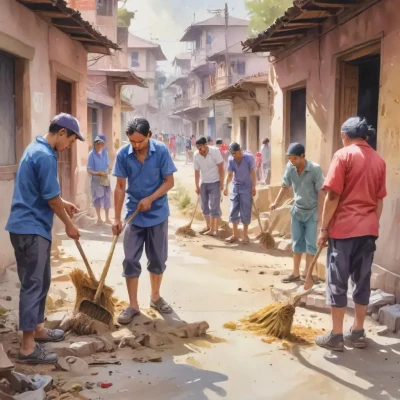
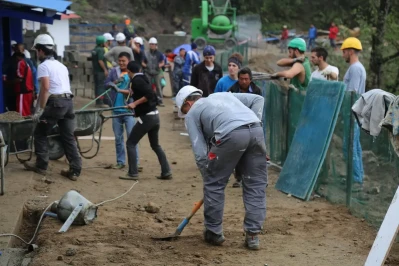
As we have conducted initiatives like river clean-up campaigns and established the Waste Smart Museum, we are actively fighting plastic pollution and working towards a sustainable future. By collaborating with private waste companies, such as door-to-door collectors and recyclers, we can greatly reduce the amount of waste that goes to landfills while giving new life to materials like plastic, metal, and glass. Additionally, composting organic waste, which is a large part of what we throw away, and capturing methane from decomposing waste for renewable energy could help relieve pressure on our rivers.
Our rivers are in danger, and this isn’t just a government issue—it’s personal. If we want a better tomorrow, we all need to take responsibility today. It’s easy to blame the government, but our individual actions, whether reducing waste or pushing for better waste management, can lead to real change in restoring our rivers and water systems.
The freshwater ecosystems of Nepal are too valuable to lose. The rivers that once shaped our nation can still be saved—if we act now.